
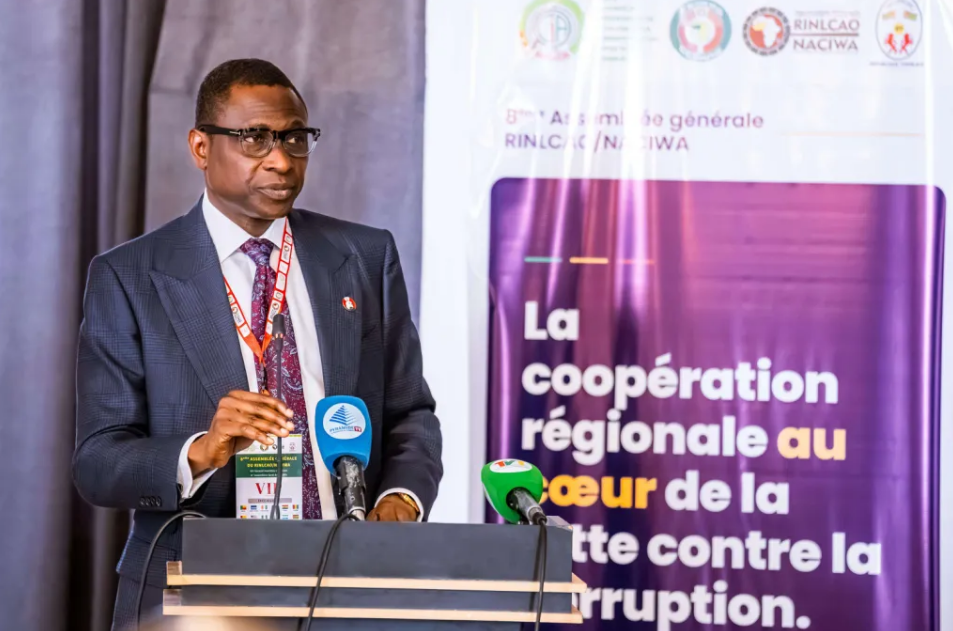
The Network of National Anti-Corruption Institutions in West Africa (NACIWA) has resolved to intensify cross-border investigations, mutual legal assistance and the recovery and return of stolen assets as part of renewed efforts to combat corruption and related financial crimes across the West African subregion.
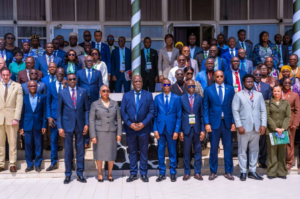
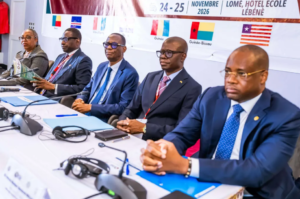
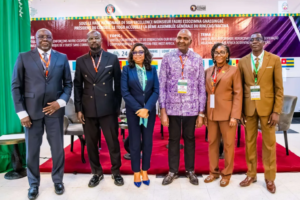
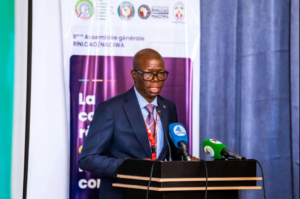
The resolution was contained in an 11-point communiqué, known as the Lomé Declaration, signed by 13 representatives of member institutions, including the Executive Chairman of the Economic and Financial Crimes Commission (EFCC) and Chairman of NACIWA, Mr Ola Olukoyede, at the conclusion of the Network’s Eighth Annual General Assembly on Wednesday, November 25, 2026, in Lomé, Togo.
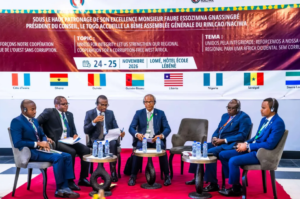
The two-day Assembly, held under Olukoyede’s leadership, had as its theme, “United for Integrity: Strengthening Regional Cooperation and Collective Action Against Corruption in West Africa.”
Recognising the transnational dimensions of corruption and related financial crimes, the Assembly welcomed the adoption of the ECOWAS Guidelines on Borderless Investigation of Corruption and Asset Recovery and expressed anticipation for their publication by the ECOWAS Commission.
Member institutions committed to accelerating the identification, freezing, seizure, confiscation, recovery and return of proceeds of corruption in accordance with applicable laws and international obligations.
The Assembly also resolved to strengthen operational consultations, mutual assistance, strategic coordination, and the secure and lawful exchange of information and intelligence among member institutions, while respecting national sovereignty, confidentiality, data protection and domestic legal requirements.
As part of efforts to strengthen the operational capacity of anti-corruption institutions, the Assembly committed to enhancing financial analysis, digital investigations, electronic evidence management and asset recovery capabilities through the responsible deployment of technology and innovation.
It further underscored the importance of functional independence, administrative autonomy, adequate resources and accountability for anti-corruption institutions, in line with applicable international standards.
The Declaration also prioritised corruption prevention in high-risk sectors, particularly public procurement, extractive industries, customs, public finance, local government and investment projects.
Member institutions resolved to deepen collaboration with civil society organisations, the private sector, professional bodies, academia and the media, while promoting effective protection for whistleblowers, witnesses, reporting persons and victims of corruption.
The Assembly also emphasised the need to strengthen anti-corruption education, public enlightenment and civic participation, particularly among youths and women, to foster a shared culture of integrity across West Africa.
In furtherance of its institutional strengthening agenda, the Assembly welcomed the institutionalisation of the NACIWA Leadership Conference as an annual event and reaffirmed the Abuja Leadership Declaration of July 22, 2026, alongside continued statutory reforms and the development of sustainable institutional arrangements for the Network.
It also resolved to collaborate with the ECOWAS Commission towards operationalising the Technical Commission provided for under Article 19 of the ECOWAS Protocol on the Fight against Corruption, with a view to strengthening regional cooperation and improving monitoring of the Protocol’s implementation.
The Assembly committed to translating the resolutions of the Lomé Declaration into concrete institutional actions through a regional roadmap supported by measurable implementation and monitoring mechanisms.
It welcomed the commitment of Guinea’s anti-corruption institution to host the Ninth Annual General Assembly in 2027 and expressed appreciation to the Government and people of Togo, HAPLUCIA, the ECOWAS Commission and other stakeholders for their contributions to the Assembly.
The two-day Assembly was hosted by the High Authority for the Prevention and Fight against Corruption and Related Offences (HAPLUCIA), with the support of the Economic Community of West African States (ECOWAS) Commission.
